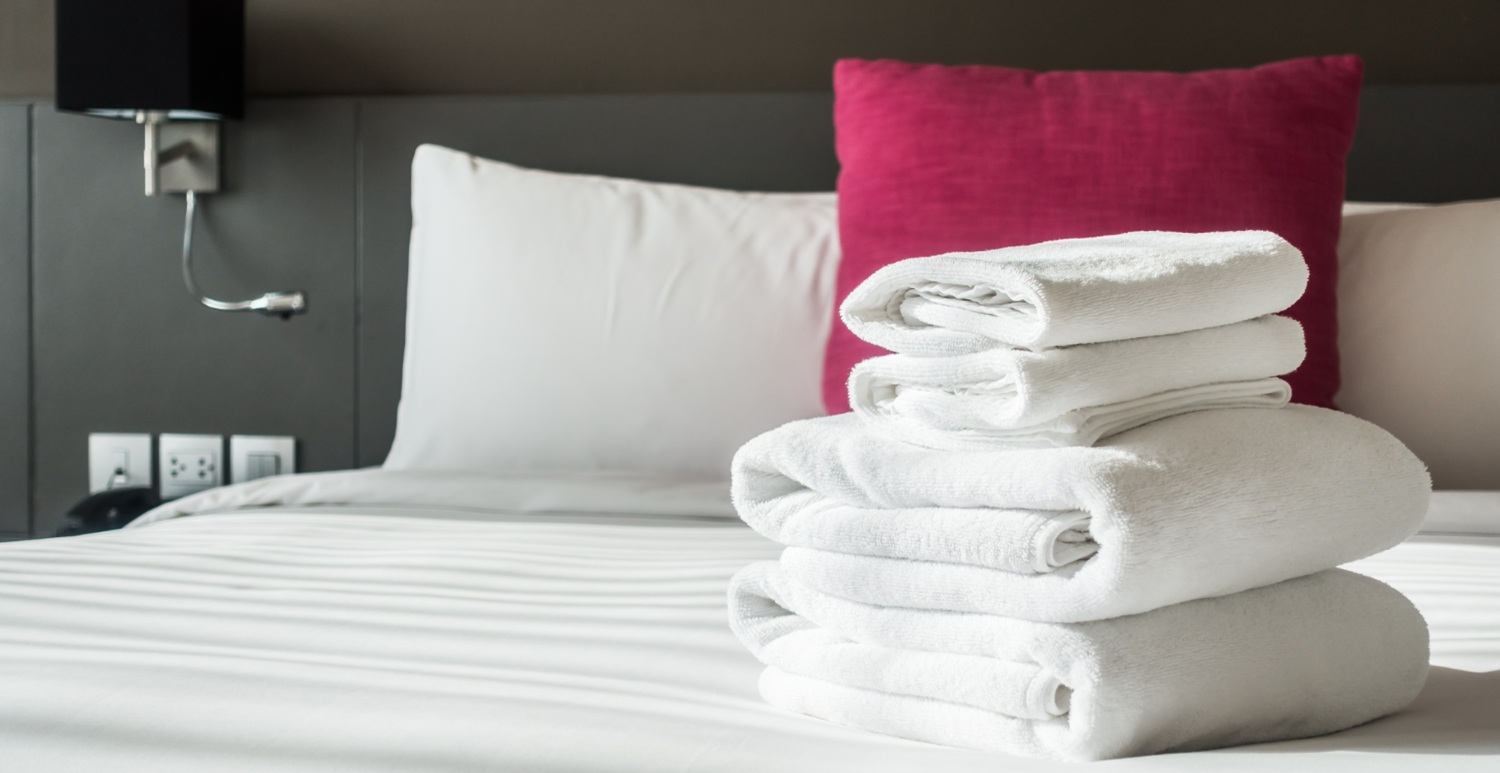
Top Fabrics for Hotel Linen: What Every Hotelier Should Know
Hotel linen is one of the most important factors that contribute to the guest experience in the hospitality industry. From the bed sheets at hotels to bathroom towels and table cloths, the material used affects not only the comfort but also the longevity, health, and economic impact. Hoteliers have to find the sweet spot between the comfort, functionality, and eco-friendliness of the materials they opt for.
In this Hotel Linen Buyer’s comprehensive guide, we’ll discuss some of the best fabrics for hotel, why they matter, and what every hotelier should consider when choosing the right one.
Why Fabrics Matter in the Hotel Industry
Bed linen and towels are often the first things guests notice when they step into a hotel room. Crisp, clean, delicate fabrics inspire a feeling of comfort and luxury. On the flipside, unwelcoming or damaged fabrics can make coming guests feel less-than-crushed—even if the rest of the hotel is of premium quality.
And this is why the fabric choice is so crucial:
- Guest Comfort: Cotton and microfiber make the guest feel soft, breathable, and luxurious.
- Durable: High-quality fabrics withstand frequent washing and daily use without losing their quality.
- Hygienic: Hotel fabrics need to be easy to wash at high temperatures and hard-wearing.
- Cost Effectiveness: Conserving Your Durable fabrics is a lot harder than the standard sheets, and that means there is no need to keep replacing them.
Top Fabrics for Hotel Linen
Here we take a look at what the most popular fabrics are in hotel bedding, towels, and linen products:
Cotton – The Classic Choice
Currently, cotton fabric is the most commonly used one in the field of hotel bedding products. Breathable, soft, and comfortable to touch, a perfect choice for a hotel bedding set and pillowcase.
- Egyptian Cotton: With fibers that are longer than other varieties, Egyptian cotton is a hallmark of luxury and is commonly found in 5-star hotels. It offers supreme softness and strength.
- Pima Cotton: Another luxury cotton, Pima is less expensive than Egyptian cotton but provides equally great comfort.
- Combed Cotton: In other words, this one goes through a further process of combing of tiny fibers, and thus is smoother and durable.
Why Hotels Choose Cotton:
- Superior softness and comfort
- Highly breathable
- Long-lasting with proper care
Cotton-Polyester: Durability + Low Maintenance Fabric
Hotels usually go for poly-cotton blends (frequently 60% cotton and 40% polyester), as they are soft and durable at the same time.
Benefits:
- Wrinkle-resistant, reducing ironing time
- Quick-drying, saving on laundry cycles
- More affordable than pure cotton
They are particularly popular in mid-range hotels or with items such as hotel pillowcases, duvet covers, and suited for staff uniforms.
Silk – The Luxurious Touch
Silk stands out as a premium fabric in the world of bedding and home textiles. Soft to the touch, naturally shiny, and incredibly gentle on the skin, silk bedding sheet instantly elevates comfort and elegance in any space.
Why Hotels Choose Silk:
- Elegant, high-end appearance
- Skin-friendly and hypoallergenic
- Naturally thermoregulating – stays cool and warm as needed
- Adds a premium touch to guest experience
Microfiber – Softness with Easy Maintenance
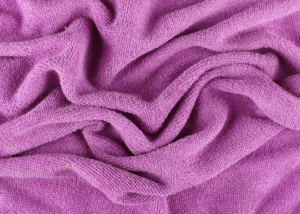
Microfiber materials are composed of finely woven polyester fibers. They are light, soft and cheap to produce.
Pros:
- Resistant to stains and wrinkles
- Quick-drying and easy to wash
- Affordable alternative to cotton
Hotels frequently turn to microfiber for cheaper bed sheets and cleaning cloths, because they take less energy and time to launder.
Linen (Flax Fabric) – The Luxury Eco-Friendly Option
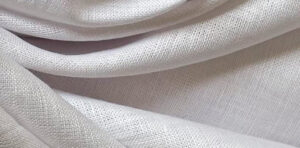
Pure linen fabric, made from the flax plant, is considered to be one of the best types for hotel table linens, napkins, and luxurious bed sheets.
Key Benefits:
- Strong and durable
- Naturally hypoallergenic and antibacterial
- Becomes softer with every wash
- Eco-friendly and sustainable
Linen is more costly than cotton, but it has a premium, luxurious feel and is becoming more common in boutique and eco-friendly hotels.
Bamboo Fabric – Eco Friendly & Soft
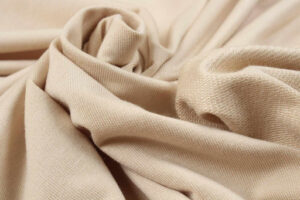
As sustainability takes precedence, bamboo fabrics are making their way into hotels. Sheets and towels made of bamboo are naturally soft, moisture-wicking, and antimicrobial.
Advantages:
- Eco-friendly and biodegradable
- Soft like silk and breathable like cotton
- Naturally resistant to bacteria and odors
When hotels are seeking ways to boost their green hospitality, they often turn to bamboo, whether it be bedding or bath towels.
Terry Cloth – The Top Choice for Hotel Towels & Bath Robes
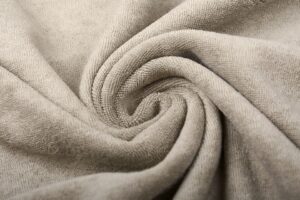
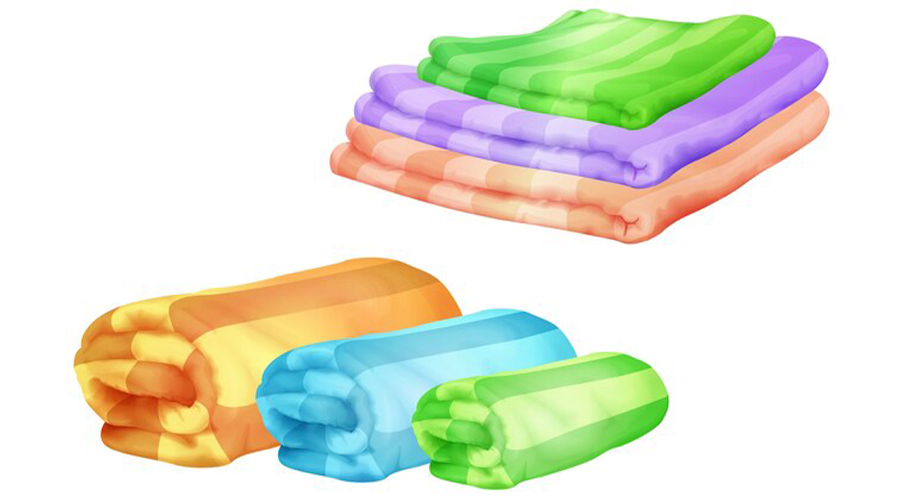
The most common fabric for hotel towels, hand towels, and bath robes is equivalent to terrycotton. Its woven and looped design is very absorbent and soft.
Why Terry Cloth:
- Excellent water absorption
- Soft and fluffy texture
- Durable under heavy use
A strong GSM (grams per square meter) for terry towels is the preference in luxury hotels to give a more lush, spa-like ambience.
Factors Every Hotelier Should Consider
When choosing fabrics for hotel linens, hotel owners should consider these aspects:
- Thread Count: Soft, smooth bedding has a high thread count (200–600), but it’s also more expensive.
- Durability: Most fabrics need to be able to withstand daily washing in hot machines.
- Maintenance: Wrinkle-free and fast-drying materials minimize laundry cost.
- Guest Expectations: A luxury hotel requires premium fabrics, using Egyptian cotton, while a budget hotel may use a blend or microfiber.
- Sustainability: Hotels that use organic cotton, bamboo, or linen cater to eco-conscious tourists.
FAQs
Q1. Which is the best material for hotel bed sheets?
The preferred option is generally 100% cotton, particularly Egyptian or Pima cotton, for its softness and durability. Although they are not as good as cotton, cotton-polyester blends are used in mid-range hotels to cut costs.
Q2. What is the best fabric for hotel towels?
This highly practical fiber, ideal for the swaying motion of terry products such as towels and bathrobes, is the industry standard.
Q3. Are microfiber bed sheets better for hotels?
Yes, microfiber sheets are inexpensive, they don’t wrinkle, and they’re very easy to take care of, but they simply don’t feel as nice as cotton.
Q4. Is linen fabric good for hotel bedding?
Yes, linen bedding does breathe, is durable and eco-friendly. It’s found mostly in boutique and luxury hotels that desire an upscale look.
Q5. Do hotels use organic fabrics?
Fewer plastics are found in hotels, with many making use of organic cotton and bamboo materials to reflect sustainability trends, which environmentally responsible travelers are conscious of.
Conclusion –
Selecting the right cloth for hotel linens is more than a matter of taste; it can have a direct effect on your guests’ perception of your hotel, your brand, and your bottom line. Each fabric has its own benefits, from the luxurious Egyptian cotton to the sustainable bamboo.
When choosing, hoteliers should consider comfort, longevity, maintenance, and impact on the environment. By investing in the proper fabrics, cost-conscious hotels can provide the best for guests and the environment.
Whether you run a luxury resort or a budget-friendly stay, the fabric you choose for your hotel linen will weave the story of your hospitality.



 Call Us
 WhatsApp Us