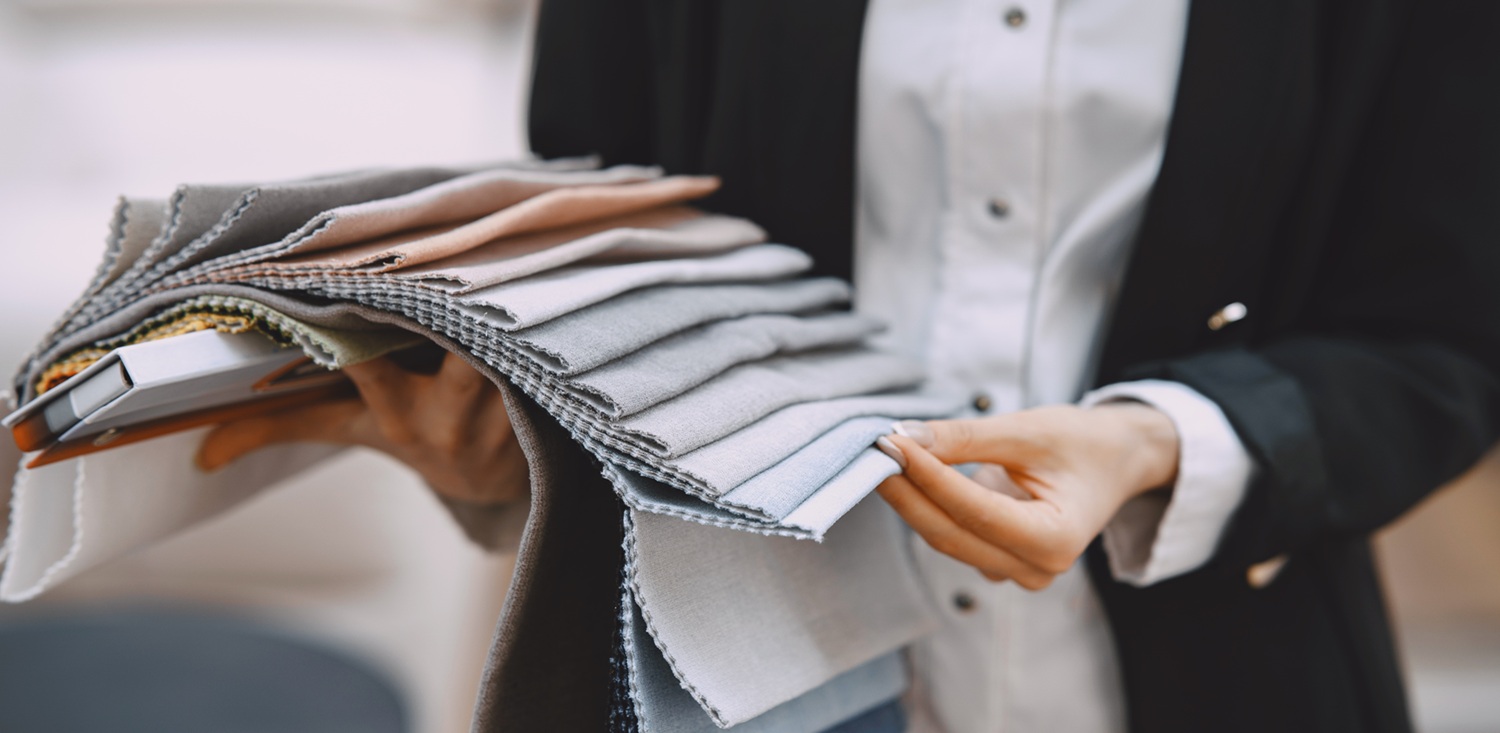
How to Identify High-Quality Fabric for Your Garments
The key to creating a lasting wardrobe? High-quality fabrics. Using the right fabric not only makes it easier and more comfortable to wear, but it also gives a premium feel to the bulk of the outfit that might not be as noticeable. In this guide, we’ll examine how you can spot high-quality fabrics that combine luxury with long wear.
Understand Fabric Composition
In order to determine the quality of fabric, you must know the type of fabric you are dealing with. Materials such as cotton, linen, wool, and silk are often preferred, as they let the skin breathe, feel soft to the touch, and are biodegradable. For instance:
Cotton Fabric: Its softness and breathability make it great for regular use.
Linen Fabric: Linen comes from the flax plant, and it is made from the smoothest and most skin-friendly fabric, which is perfect for hot weather.
Wool Fabric: Wool is at the top of our list because of its superior insulation and moisture-wicking capabilities.
Silk Fabric: Known for feeling luxurious and looking shiny naturally.
A blended fabric, like a cotton-polyester combination, can provide strength and wrinkle resistance, but you might sacrifice fabric breathability compared to what you’d get with a pure natural fibre.
Evaluate Fabric Weight and Drape
Fabric drape and garment type. The drape of fabric can greatly affect the look of a garment and its suitability for various types of garments. Heavier fabrics, such as denim and tweed, work well for tailored pieces, such as jackets and trousers; lighter materials like chiffon and georgette are suitable for blouses and dresses. Drape: The fall and movement of the fabric can affect the fit and silhouette of your garment.
Inspect the Weave and Knit
The way the fabric is made—whether it’s woven or knitted—determines what it feels like, how it stretches, and how long it typically lasts. Woven fabrics Twill and satin, are the closest weaves, as they are tightly woven- these are generally harder wearing and are likely to be used in tailored garments. Knit fabrics like jersey and rib knit provide a soft stretch and comfortable fit and are perfect for casual and athletic wear.
Check for Dimensional Stability
Superior material: fabrics are safe for babies with no harmful dyes or chemicals that can cause irritation. This is referred to as dimensional stability, which means your clothes don’t lose their shape or fit over the long haul. Poorly dimensionally stable fabrics tend to shrink or stretch, resulting in distorted apparel.
Assess Moisture-Wicking and Breathability
Materials that draw moisture away from the body help the wearer remain comfortable in warm weather and among people who participate in sports. Natural fibres such as cotton and linen work well, as do some synthetic fabrics, which are designed to wick away moisture. If you’re looking to understand its breathability and comfort, you can test its moisture-absorbing nature.
Examine Stitching and Finishing
The finish and stitching quality can tell you something about the whole product. High-quality garments often feature:
Tight, even stitches: Loosely woven or uneven stitches can cause unravelling and imply low quality.
Heavy-duty double-stitched seams: Tough, durable sewing.
Even Patterns: Make sure prints and patterns line up at seams for a well put-together look.
Look for Certifications and Labels
Certifications can ensure that a fabric is of a certain quality and is sourced responsibly. Look for labels such as:
OEKO-TEX Standard 100: Indicates that the fabric is free from harmful substances.
GOTS (Global Organic Textile Standard): Certifies organic fibres and the making of the piece. Eco Cotton de The values are standard UL International Standard.
Fair Trade: Guarantees ethical labour practices and fair wages.
These certifications can guide your fabric choices, enabling you to make ethical and informed decisions.
Consider the Fabric’s Longevity
Purchasing high-quality fabrics means selecting fabrics that will last. Natural fibres can be higher-maintenance, but they generally last longer than synthetic versions. Wool, for instance, can maintain its good appearance for years, but polyester may start to look worn down sooner.
Pilling and Abrasion Resistance Test
Pilling results when fibres break and twist together or cling to the fabric as small balls on the surface. Fabric contributes as well: Natural fibres such as wool and cotton tend to pill more easily; synthetic fibres such as polyester are less susceptible. To check the resistance to pilling of a fabric, rub it gently with your fingers and see if it becomes lumpy or matted.
Evaluate Ethical and Sustainable Practices
Look beyond the physicality of your clothes; think about the morality and ecology of their production. The brand has already incorporated sustainable practices by using organic fibres and minimising water use and by creating fair labour standards. Love the brands that are good for the environment, and they will love you right back, and support the planet a little with your style.
Conclusion
Determining the quality of fabric is a collusion of material type, physical product, and ethical implications. By taking note of these factors, you can make decisions that positively affect the wearability, longevity, and ecological impact of your clothing. After all, not many things feel better than investing in beautiful, sustainable fabrics, which not only form the base of your wardrobe but also introduce a more responsible fashion industry.
 Call Us
 WhatsApp Us